

Tired of endless waxing sessions and skin irritation after shaving? Laser hair removal is a long-lasting alternative, but before taking the plunge, be aware: certain precautions are essential. This guide reveals everything you need to know to ensure effective and safe laser hair removal.
From laser hair removal preparation to after-session care, including interactions with the sun or self-tanner, we cover it all. Because achieving smooth skin without compromising your health doesn’t happen by chance. Follow the guide for visible results… and lasting comfort!
Table of Contents
Initial Consultation
This first meeting with the laser specialist is essential before any laser hair removal session. The goal? To personalize your treatment according to your skin type and hair characteristics, while minimizing potential risks. The practitioner then designs a tailored treatment protocol.
Specifically, here is what will be assessed during this crucial medical consultation for successful laser hair removal:
- Skin phototype: This analysis determines the most suitable laser for your skin. A key step to prevent burns or pigmentation spots, especially on sensitive areas such as the face.
- Hair characteristics: Since the laser targets melanin, dark and coarse hair generally responds better to treatment. Your laser specialist will also assess hair regrowth in each area.
- Medical history: Certain skin conditions (active eczema, psoriasis) or photosensitizing medications may temporarily contraindicate laser treatments. Be sure to report any history of burns as well.
- Recent tanning: Whether natural or artificial, increased tanning requires extra precautions. You will be advised to avoid sun exposure.
- Realistic expectations: How many sessions are needed? What hair removal routine should be followed between appointments? Your laser specialist will recommend a personalized schedule to achieve long-lasting results.
This foundational step allows the laser hair removal clinic to adjust every parameter—from laser intensity to the soothing products used—ensuring a safe and effective treatment.
A pre-treatment patch test remains the best precaution. By applying the laser to a small area, the specialist checks your skin’s reaction and fine-tunes the settings. An extra layer of safety against irritation, especially for delicate areas such as the face or bikini line.

Types of Lasers
Several types of lasers are used for hair removal, each designed to meet specific needs. The choice depends on your skin type and hair color, in order to achieve long-lasting results while minimizing risks. It is worth noting that a prior consultation with a specialist is not strictly necessary to determine the technology best suited to your body.
| Laser Comparison | ||
| Nd:YAG Laser | Diode Laser | |
| Medium to dark skin tones (phototypes IV to VI) | Light to medium skin tones (phototypes I to IV) | |
| 1064 nm (less absorbed by melanin) | 800–810 nm (more absorbed by melanin) | |
| Lower risk on dark skin | Higher risk on dark skin | |
| Less effective | More effective | |
| May require a higher number of sessions | Number of sessions generally required (6 to 8 on average) | |
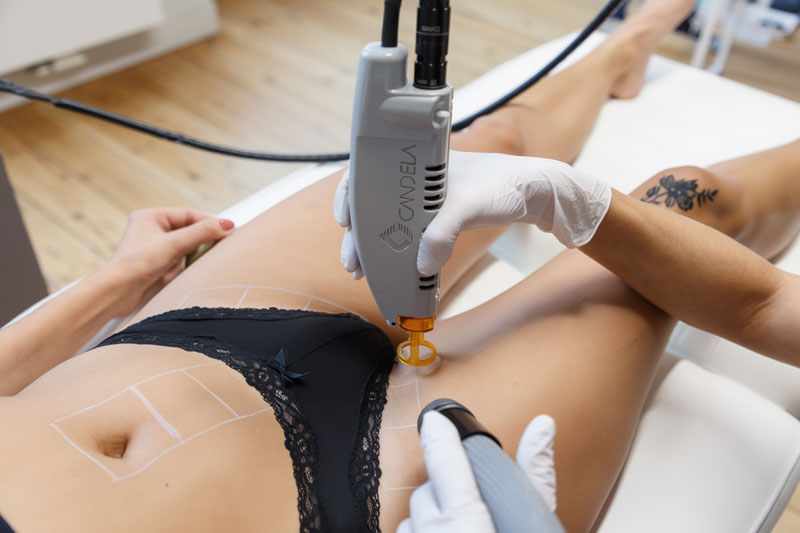
Good to know: the laser targets the melanin in the hair. The optimal effect is achieved when there is a strong contrast between light skin and dark hair. This is why laser hair removal centers often recommend this treatment for areas such as the underarms or bikini line, where hair growth is usually denser.
For medium to dark skin tones (phototype VI), specific FDA-approved lasers are available. These devices allow for safe hair removal, with a reduced risk of hyperpigmentation or burns. A specific laser setting is required depending on the treated area to maximize effectiveness while preserving skin health.
Naturally, post-treatment care is just as important as the session itself. Your laser specialist or laser hair removal clinic will provide advice on products to use to soothe irritation, especially after treating sensitive areas such as the face. Special attention to tanning before and after treatment is also essential.
Skin Preparation
Skin preparation is a crucial step to optimize the results of your laser hair removal. Strict sun protection is essential, especially during summer to prevent unwanted effects such as irritation. Laser hair removal centers generally recommend avoiding any sun exposure.
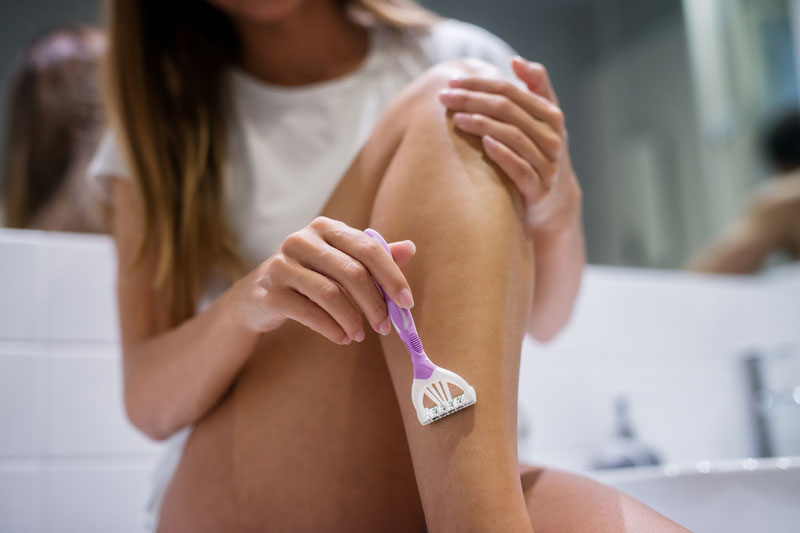
Before your appointment, a few practical guidelines apply. Shaving the treatment area 24 to 48 hours before the session allows the laser to precisely target the hair follicle. Paradoxically, using wax or tweezers on the body goes against the very principle of the treatment: without the root, the device cannot effectively disable hair growth. Some laser specialists even recommend applying soothing products after shaving to prepare the epidermis.
How a Laser Hair Removal Session Works
This is a key moment in achieving satisfactory results during a laser hair removal session. Choosing a reputable laser hair removal clinic is essential, as experience ensures both the safety and effectiveness of the treatment. Do not hesitate to ask about the practitioner’s certifications before scheduling an appointment.
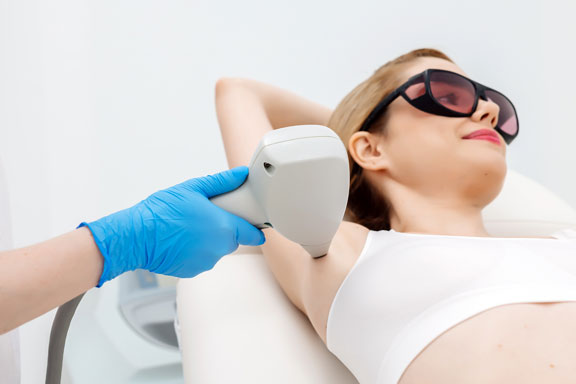
During the laser pulses, some people may experience tingling sensations or moderate warmth. These sensations are generally well tolerated, but Epilia offers a solution: an integrated cooling system built into the device. After the session, applying soothing products helps calm any redness on the treated areas.
Naturally, the body reacts differently depending on the treated areas. The face and certain sensitive areas may require specific post-treatment care. Your laser specialist can recommend a routine tailored to your skin type and the treated hair, especially before any sun exposure or tanning.
Number of Sessions
To achieve long-lasting effects with laser hair removal, everything depends on the hair growth cycles. The laser only targets follicles in the active growth phase, which is why multiple sessions are necessary.
The duration of the treatment varies depending on the area of the body being treated and individual response. The face, for example, often requires more attention than other areas such as the underarms. It is worth noting that hormonal or genetic factors can influence regrowth, sometimes requiring adjustments to the treatment plan.
| What Affects Laser Hair Removal Results | ||
| Factor | Impact | Consequences |
| Skin type | Laser absorption | Risk of burns or pigmentation spots if not properly adapted |
| Hair characteristics | Ability to absorb energy | Dark hair responds better to treatment |
| Treated area | Follicle density and growth cycle | The face requires more care than the bikini line |
| Growth phase | Optimal effectiveness during the active phase | Need for multiple sessions to target all hair |
| Hormonal balance | Stimulation of hair growth | May require maintenance sessions |
Naturally, each laser hair removal clinic adapts its advice according to your body and medical history. A skilled laser specialist will always recommend a pre-treatment consultation to assess suitable products and prevent any adverse effects related to recent tanning.
Effectiveness and Safety
Laser hair removal has established itself as a reliable solution for long-term reduction of hair. In a specialized clinic, a significant reduction in hair growth is generally observed in treated areas after several sessions. It should be noted that each body reacts differently: some patients notice effects from the very first session, while others require longer follow-up.
In terms of safety, laser specialists emphasize the importance of CE-certified devices. Non-compliant equipment can indeed cause burns or irritation. This is why experts systematically recommend a skin diagnosis before treatment. This precaution is particularly important for the face, as it helps prevent unwanted side effects.
Post-treatment care also plays a key role. A reputable laser hair removal clinic always provides guidance on avoiding tanning and keeping the skin well hydrated. It is worth noting that residual regrowth may still occur, but it generally becomes finer and more sparse over time. A personalized approach therefore makes it possible to adjust the number of sessions to each patient’s specific needs.
Side Effects
After a laser hair removal session, some temporary skin reactions may occur. Although uncomfortable, these effects usually fade within a few hours. Managing these reactions is essential for effective post-treatment care. Laser hair removal clinics therefore provide personalized advice depending on the treated areas.
In rare cases, persistent hyperpigmentation may appear on the body or face. A laser specialist may then recommend a protocol combining depigmenting products and PiQo4 laser sessions. Paradoxically, this same technology can help resolve the issues it may cause.
Redness and mild swelling usually disappear within 48 hours. Applying Biafine or a soothing cream helps relieve these skin irritations while keeping the skin hydrated. Naturally, UV exposure is not recommended for at least fifteen days to prevent any risk of hyperpigmentation. Patients are advised to avoid tanning during this crucial period for skin aesthetics.
Contraindications
Certain photosensitizing medications are not recommended before a laser treatment session. These photosensitive products make the skin more vulnerable to UV rays, increasing the risk of burns or irritation. At a laser hair removal clinic, the laser specialist will systematically ask for a list of ongoing treatments in order to adjust their recommendations and prevent adverse reactions.
Certain medical conditions definitively contraindicate this treatment, such as lupus. For skin conditions (eczema, psoriasis), medical professionals generally recommend waiting until flare-ups have subsided before treating an irritated area. It should be noted that studies do not show significant data regarding patients’ adherence to pre-treatment protocols.
| Important Precautions and Contraindications | ||
| Factor | Recommendation | Justification |
| Sun exposure | Avoid throughout the entire treatment period | Risk of skin burns and pigmentation spots |
| Self-tanners | Not allowed before the appointment | Incorrect melanin detection by the laser |
| Photosensitizing medications | Inform the practitioner | Increased skin sensitivity |
| Lupus | Absolute medical contraindication | Possible worsening of symptoms |
| Shaving | Required 24–48 hours beforehand | Optimal targeting of the hair follicle |
Good to know: recent tanning often means having to postpone the treatment session. Specialized clinics also recommend applying a specific moisturizing cream during post-treatment care. Studies do not show significant data regarding patients’ compliance with moisturizing cream application.
Comparison
Choosing how to achieve long-lasting laser hair removal involves several criteria: your skin type, the areas of the body to be treated, and your aesthetic priorities. To make the right decision, it is best to compare the available technologies (alexandrite, diode, etc.) and their effects on hair growth. The number of sessions varies depending on the clinic’s equipment and the surface treated; during a consultation, a laser specialist will recommend the appropriate protocol.
Be sure to discuss post-treatment care, regrowth management, and precautions related to tanning. Certain soothing products help reduce the risk of irritation or burns. By asking all your questions—including those about delicate areas such as the face—you will receive personalized advice. This dialogue helps identify the ideal treatment, aligned with your lifestyle and expectations.
Laser hair removal promises long-lasting smooth skin, but be aware: it’s not something to take lightly. An initial assessment, strict sun precautions, and choosing a qualified professional are your best allies. So, are you ready to leave behind the constraints of traditional methods and gain more freedom? Your skin is well worth this small investment.
FAQ (Frequently Asked Questions)
What are the typical costs associated with laser hair removal for different body areas, and how do they vary depending on the type of laser used?
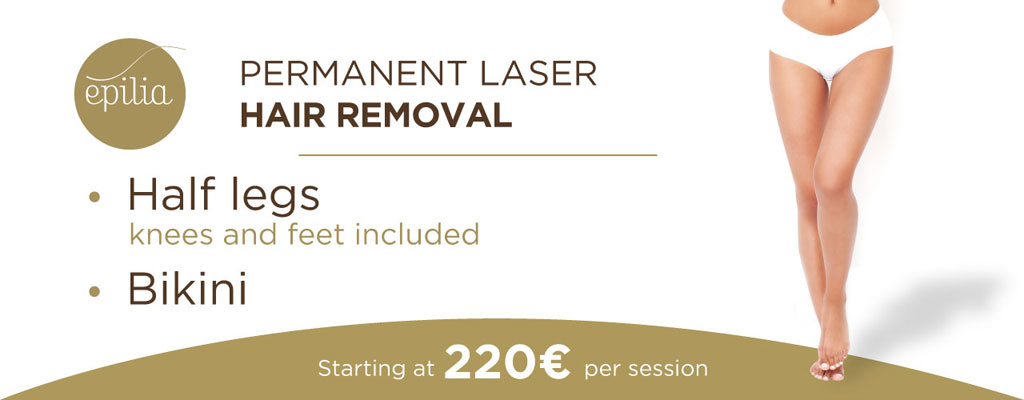
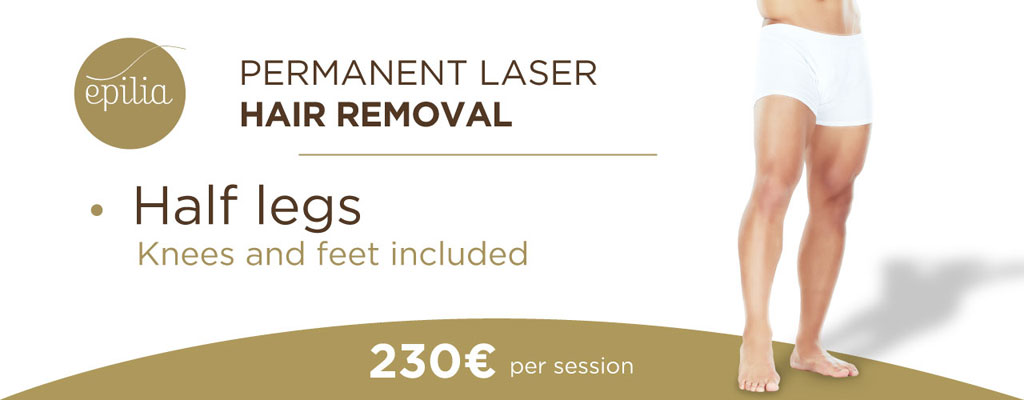
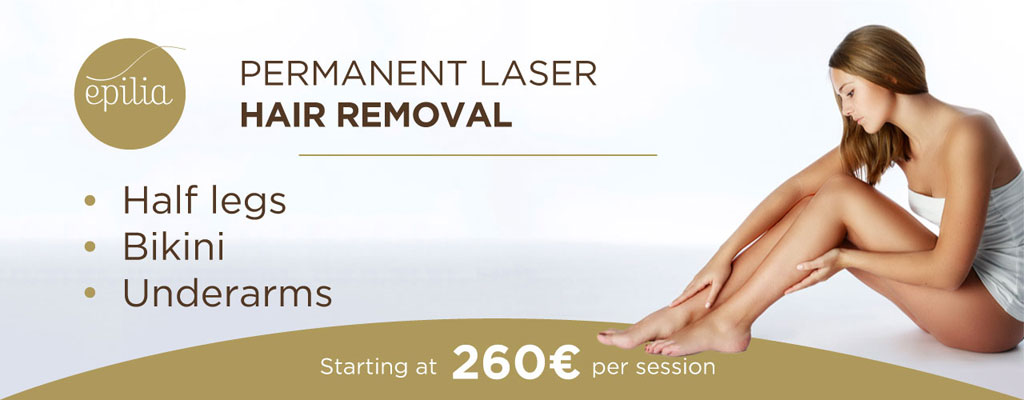
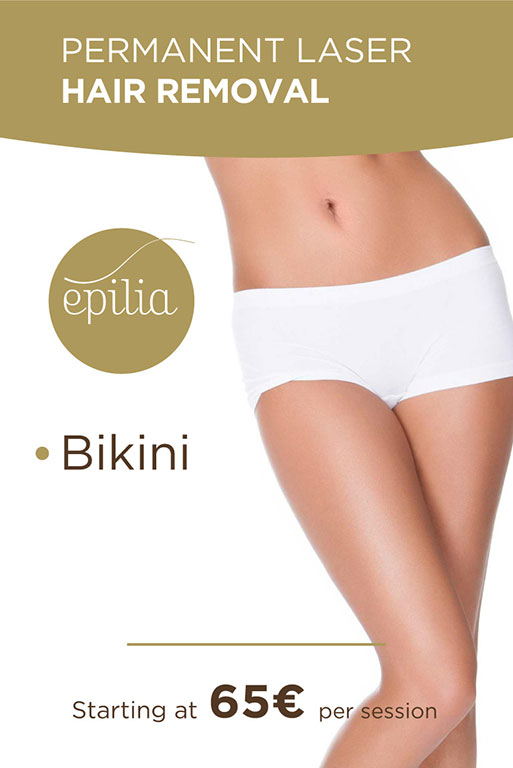
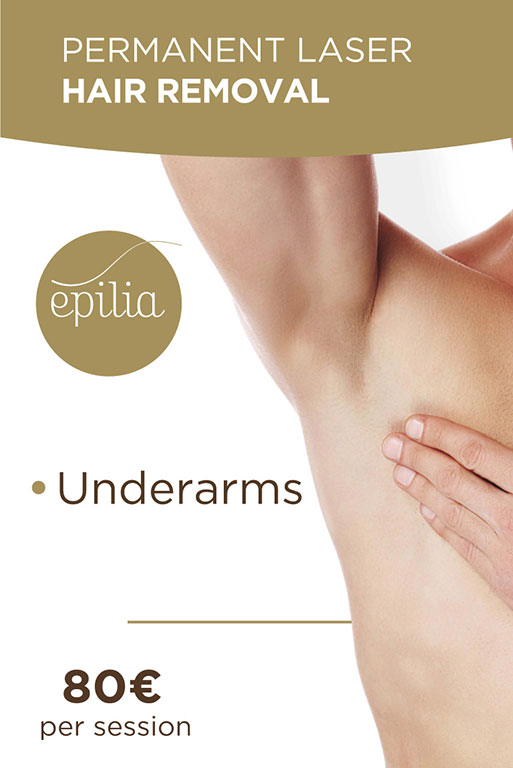
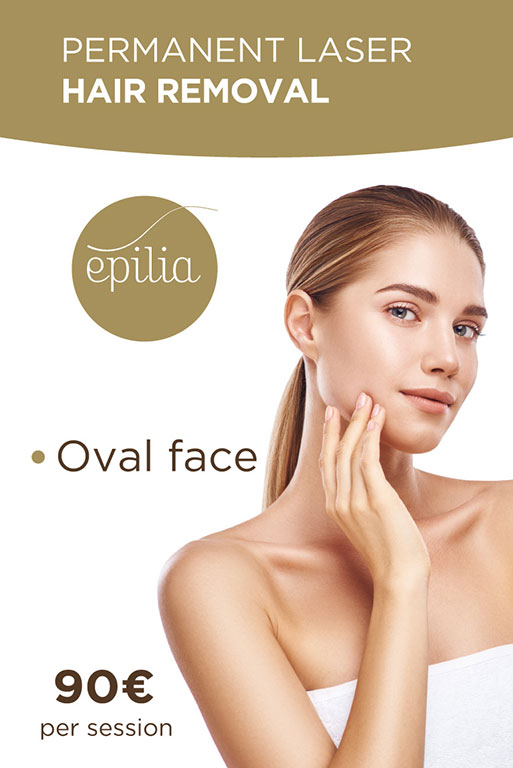
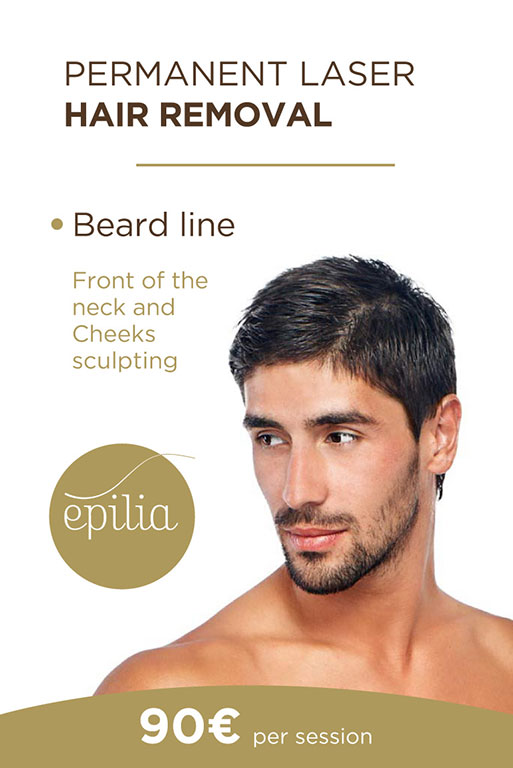
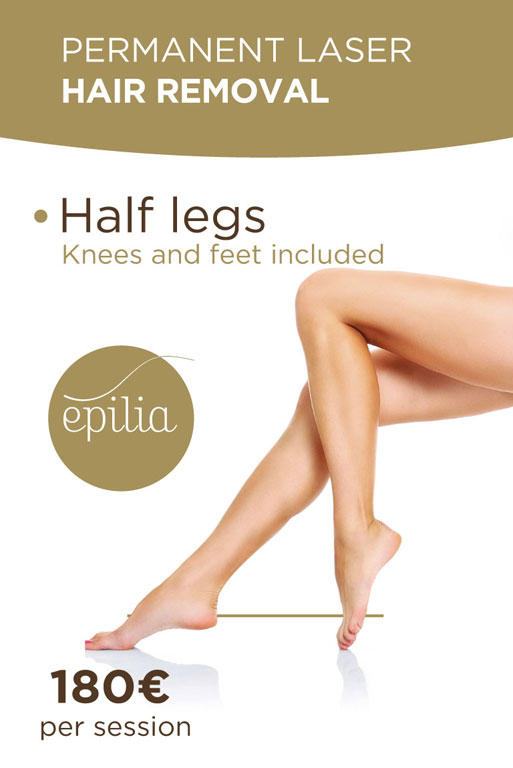
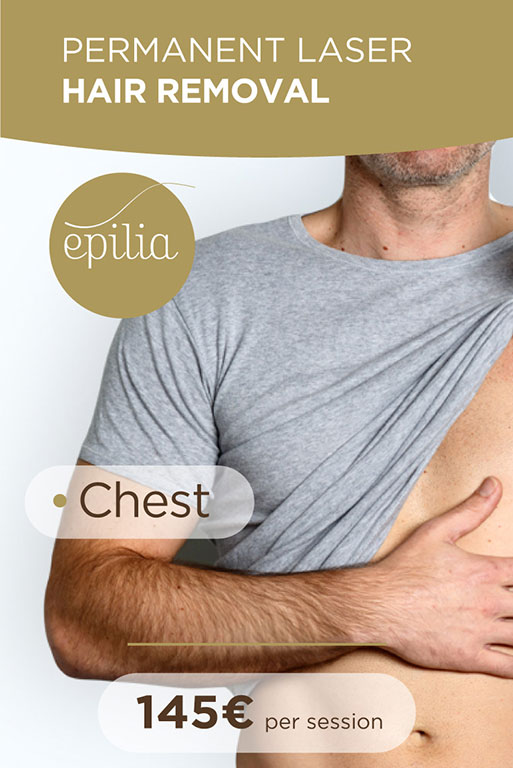
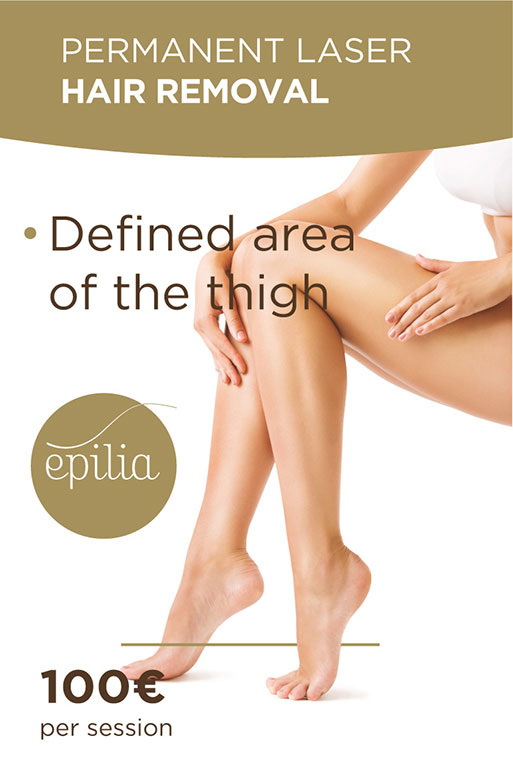
The costs of laser hair removal vary depending on the treated area. For example, the full face may cost around €110 per session, while full legs (including feet) are generally priced at approximately €380. Underarms and the bikini area usually cost between €65 and €100.
Although this information is not explicitly stated, the type of laser used (Alexandrite, Diode, Nd:YAG) may influence the price. The choice of laser depends on the skin phototype and hair color, which could potentially affect the total cost of the treatment.
How does laser hair removal affect ingrown hairs, and can it be used as a preventive treatment?
Laser hair removal is an effective solution to treat and prevent ingrown hairs. By targeting the hair bulb and destroying the hair at the root, it prevents regrowth under the skin and therefore reduces the risk of inflammation.
This method is particularly recommended for areas prone to ingrown hairs, such as the underarms and bikini area. Several sessions are required for complete removal and the prevention of recurrence.
What specific recommendations apply to people who have tattoos in the area to be treated?
Laser hair removal is generally not recommended on tattooed areas due to the risk of burns, depigmentation, or scarring. Tattoo pigments can absorb the laser energy and damage the skin.
It is recommended to protect tattoos as much as possible during intense pulsed light or laser hair removal treatments. If laser hair removal is considered before getting a tattoo, there are no specific contraindications.
How does laser hair removal interact with hormonal treatments (such as contraception), and can it affect the results?
Laser hair removal can be influenced by hormonal treatments, such as contraception. Hormonal changes may increase the risk of new hair growth during and after the treatment.
It is important to inform the laser hair removal specialist of any ongoing hormonal treatment. Although the contraceptive pill is not a contraindication, hormonal disorders can make laser hair removal less effective.
Are there alternatives to laser hair removal for people who are not good candidates (for example, very light hair or very dark skin)?
Yes, there are alternatives to laser hair removal. Intense Pulsed Light (IPL) hair removal is often presented as an alternative, although some devices are not suitable for darker skin tones or light-colored hair.
Electrolysis is another option, particularly effective for white, blonde, and red hair, and it is suitable for all skin types. For medium to dark skin tones, there are also specific lasers designed for these skin types.
What criteria should be taken into account when choosing a laser hair removal clinic apart from the practitioner’s certification (for example, customer reviews, types of technologies offered)?
When choosing a laser hair removal clinic, it is important to check customer reviews and ensure the clinic’s reputation. A center with a strong reputation is often a sign of high-quality service.
It is also essential to consider the types of technologies offered, as some clinics are equipped with several types of lasers to adapt to different skin types. A reputable clinic will carry out an initial diagnosis to assess the number of sessions required.