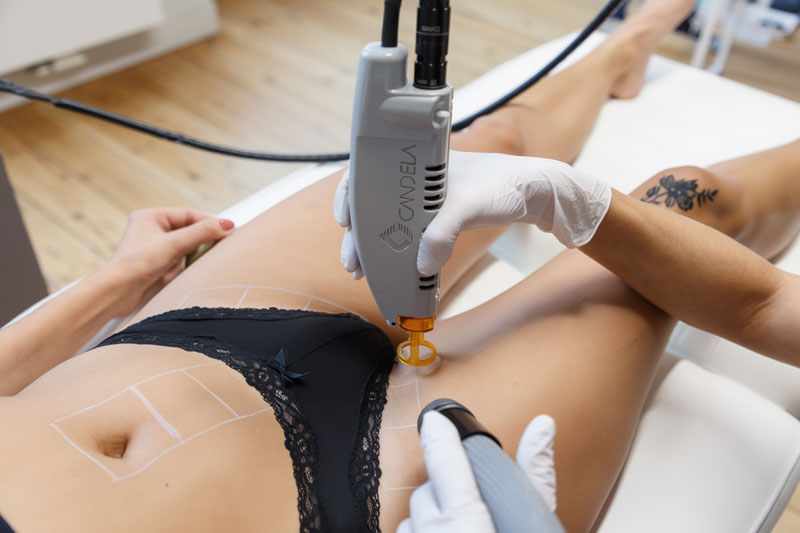



For optimal and risk-free effectiveness, you must strictly avoid sun exposure for fifteen days before your appointment and shave the area the day before the session.
Are you worried that a laser hair removal burn could disrupt your quest for perfection and your busy schedule as an active woman or man?
This article clearly explains how to anticipate side effects, medication-related contraindications, and common mistakes to avoid, so you can turn your session into a completely stress-free aesthetic experience.
Learn to recognize warning signs, master strategic shaving, and adopt the best sun-care habits to finally achieve long-lasting smooth and flawless areas without ever risking painful or unsightly skin complications.
Understanding the causes of a burn during laser hair removal
Laser hair removal is often seen as a simple, risk-free aesthetic procedure; however, it is a technology that requires professional expertise to avoid any complications.
The principle of photothermolysis and its limitations
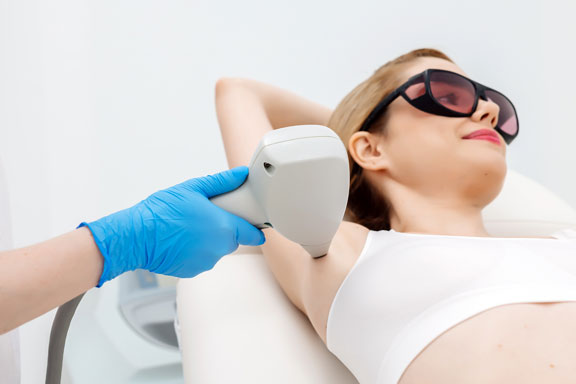
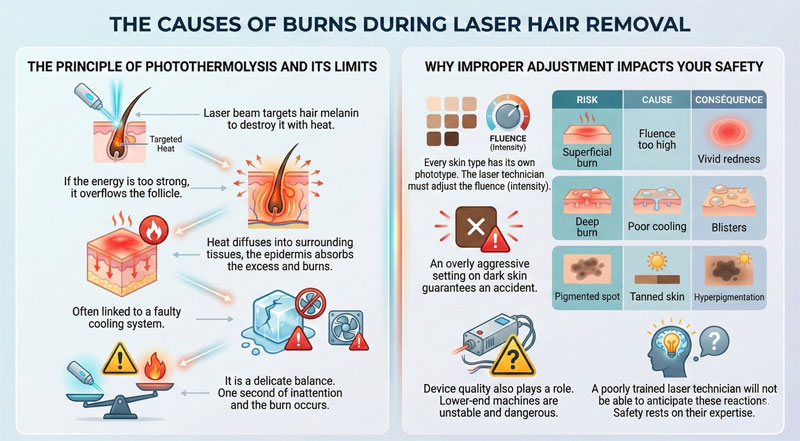
The laser beam targets the melanin in the hair and converts it into heat. This is the foundation of the destruction process. If the energy is too intense, it goes beyond the follicle and spreads to the surrounding healthy tissues.
The heat then diffuses into the nearby tissues. The epidermis absorbs this accidental thermal excess and may eventually burn.
It is a precise balance. A moment of inattention by an inexperienced practitioner can result in a burn on the treated area. At Epilia, we ensure treatments are performed under optimal safety conditions.
Why incorrect settings impact your safety
Each skin has its own phototype. The laser therapist must adjust the fluence with controlled precision.
| Type of risk | Main cause | Consequence |
|---|---|---|
| Superficial burn | Fluence too high | Intense redness |
| Pigmentation spot | Tanned skin | Hyperpigmentation |
The laser brand matters greatly. Low-end machines are often unstable and therefore unsafe. At Epilia, we use lasers developed by the world leader: Candela laser systems.
A poorly trained laser practitioner may fail to anticipate risks. Your safety depends on genuine expertise.
3 essential steps to prepare your skin before the session
Now that you understand the technique, let’s see how you can minimize risks through proper preparation.
Managing sun exposure and photosensitizing products
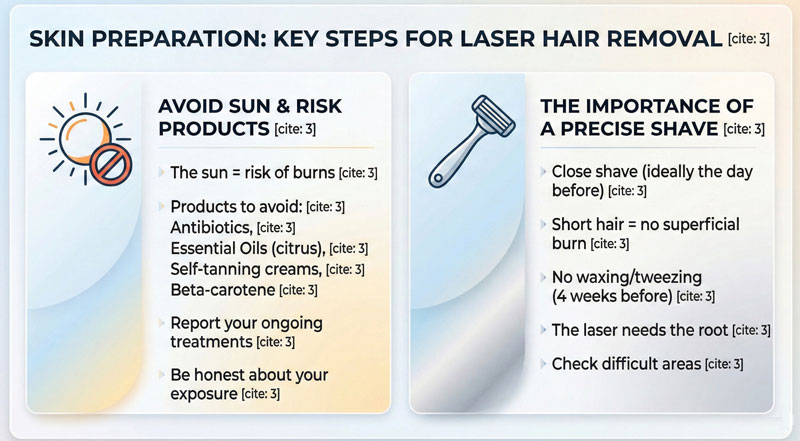
The sun remains our biggest enemy before an appointment. Tanned skin contains a high level of melanin on the surface. The laser can no longer distinguish between the hair and your skin. The result? A risk of burns in the treated area.
Avoid the following before your session:
- Photosensitizing antibiotics
- Essential oils
- Self-tanning creams
- Beta-carotene supplements
Always inform the Epilia laser hair removal center about any ongoing treatments. Some medications significantly alter the skin’s reaction to the laser.
Be honest about your sun exposure. It is better to postpone a session than to take a risk.
The importance of precise shaving the day before your appointment
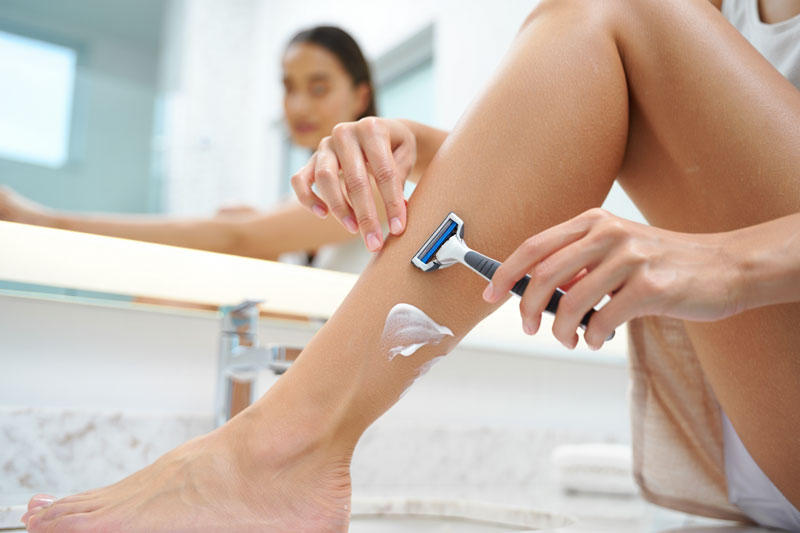
The hair must be shaved closely, ideally the day before. If it is too long, it may burn on the surface. This external combustion unnecessarily irritates or burns the superficial layer of the skin.
Avoid waxing or tweezing for four weeks beforehand. The laser needs the hair root to work properly.
A clean shave allows the energy to travel directly into the hair bulb. That is where the action needs to occur. This prevents unnecessary heat dispersion on the epidermis.
Carefully check hard-to-reach areas. Missing a spot may cause an unpleasant sensation.
How can you distinguish a normal reaction from a burn?
Even with perfect preparation, the skin will always react, but it is important to know when to contact us and when to remain reassured.
Identifying temporary redness and warning signs
A mild erythema is completely normal after the session. It looks like a moderate sunburn. The skin feels slightly warm and appears pink. Everything usually returns to normal within twenty-four hours without any specific care.

If the pain persists for more than two hours or if blisters appear, this is no longer a normal reaction.
An increasing burning sensation is a warning sign. Act quickly if you suspect a burn after your laser hair removal session and do not ignore it.
Sensitive areas such as the bikini line compared to the legs
The skin of the bikini line is thinner and more pigmented. It reacts more quickly than the skin on the legs. The Epilia laser practitioner will reduce the power on these delicate areas.
The legs generally tolerate heat better. However, be cautious around the ankles, where the skin is very thin.
Each area of the body requires specific attention. Your feedback should guide the Epilia laser practitioner.
Procedure to follow if you have doubts about your reaction after the laser session
Soothing care
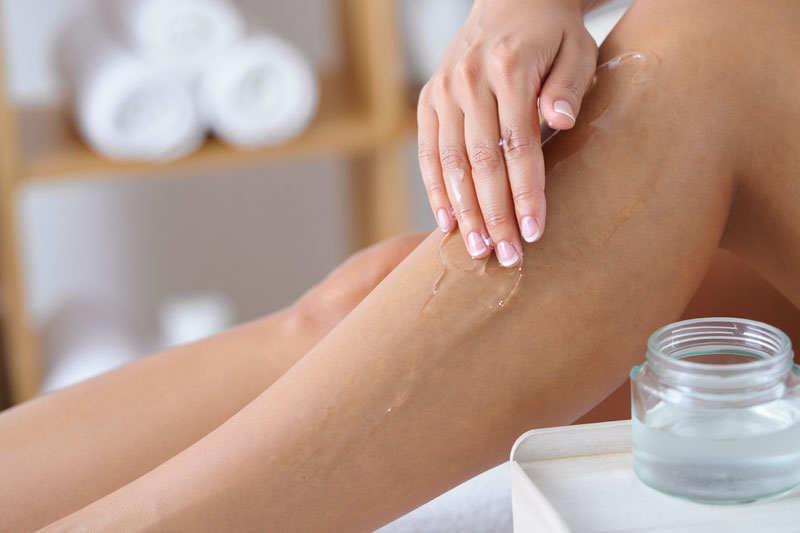
The first step is to thoroughly moisturize the area showing redness.
- Clean gently without rubbing
- Apply a thick layer of cream
- Avoid tight or synthetic clothing
- Avoid perfumes and alcohol
Pure aloe vera is also an excellent soothing option. Choose a gel without chemical additives to prevent further irritation.
Moisturize the area several times a day.
When should you consult a laser practitioner or a dermatologist?
Call our reception team and we will be fully available to assist you with any specific questions following your laser session at Epilia.
Laser hair removal remains a valuable ally in everyday life for both men and women, provided that you prioritize expertise. By choosing a professional laser center such as Epilia and following our advice, you will enhance your skin with complete peace of mind. Choose quality for long-lasting results, while preserving your precious balance and well-being.
Is it normal for my skin to be red after laser hair removal, or is it a burn?
It is completely normal to observe perifollicular edema, meaning small localized redness around the hairs. This reaction indicates that the session was effective and usually fades within 48 hours without any specific care.
However, if the pain persists for more than two hours, if the marks form clear geometric shapes (circles or rectangles), or if blisters appear, please contact us so we can address your concerns.
What are the first steps to take if I think I have been burned?
The first step is to immediately moisturize the area with a soothing cream such as Biafine or an equivalent product.
Then contact the Epilia reception team. Do not touch the area, do not puncture any blisters, and apply a thick layer of healing cream such as Biafine or Cicalfate to promote skin repair.
How should I properly prepare my skin to avoid any risk before my appointment?
The golden rule is to avoid sun exposure: stop all sun or UV exposure at least 15 days before your session. Tanned skin contains a high level of melanin on the surface, which may redirect the laser energy toward the epidermis rather than the hair bulb.
Also remember to shave the area closely the day before your appointment. If the hair is too long, it may burn on the surface and unnecessarily irritate the upper layer of the skin. Finally, check that your current treatments (antibiotics, essential oils) are not photosensitizing.
Can laser hair removal be safely performed on darker or tanned skin?
Yes, it is absolutely possible, provided the appropriate technology is used. For darker, tanned, or bronzed skin types, the Nd:YAG laser is preferred. Its wavelength penetrates deeper and is less absorbed by surface melanin, significantly reducing the risk of epidermal burns.
In contrast, the Alexandrite laser is generally reserved for lighter skin types. It is therefore essential to choose a center equipped with the latest-generation lasers and an experienced practitioner capable of adjusting the settings according to your specific phototype.
What care should be applied for fast healing after an incident?
To repair the skin, focus on intense hydration. Apply a rich cream or aloe vera gel several times a day to soothe the sensation of heat.
Sun protection is your best ally: wear covering clothing and apply a total sunscreen SPF 50+ for at least one month on the affected area.
Do not wait if you notice any change in your skin pigmentation (white or brown spots). The earlier the treatment, the greater your chances of regaining perfectly smooth and even skin.
We remain fully at your disposal for any additional information regarding permanent laser hair removal in our EPILIA centers.